
Living costs have been a real worry for students across Australia. Rent, groceries, transport, and power bills all climbed over the past few years, and student budgets felt the squeeze.
The good news for 2026 is that a wave of government support has landed. From frozen transport fares to lower taxes and higher wages, several changes now put more money back in students’ pockets.
This guide breaks down the main forms of cost of living support available to students in Australia in 2026, with a focus on New South Wales and Sydney. Each section explains what changed, who benefits, and how much a student can expect to save. The picture is far brighter than it was a year ago.
Frozen Public Transport Fares in NSW
Public transport is one of the biggest weekly costs for students. Most travel to campus, work, and back several times a week, and those trips add up fast. For 2026, the NSW Government has stepped in with real relief.
Opal fares have been frozen at 2025 prices for a full year. That means no annual price rise for trains, buses, ferries, light rail, or the Metro. The freeze forms part of the state’s 2026-27 Budget and benefits around 400,000 daily public transport users, as reported by Transport for NSW coverage of the state budget.

Students already save through Opal concession fares, and the freeze locks in those lower prices. The weekly travel cap stays in place too, along with cheaper Friday fares. For a student commuting five days a week, a frozen fare structure keeps hundreds of dollars in their budget over the year.
The freeze matters most because fares usually rise every July in line with inflation. Skipping that annual increase means the price a student pays today is the price they keep paying through 2026. Over a full year of daily travel, that difference is real.
Eligible students should make sure their concession is set up correctly on their Opal card. The concession rate combined with the fare freeze gives students some of the cheapest public transport access in the country.
Cheaper Tolls and Vehicle Registration
Not every student takes public transport. Some drive to campus, part-time jobs, or placements, and fuel is only part of the cost. Tolls and registration hit hard, especially for students living in Sydney’s outer suburbs.
The 2026-27 NSW Budget brings direct savings here. Private vehicle owners receive up to $100 off registration for the next 12 months. Motorcyclists get an $80 cut. The savings apply across 4.4 million vehicles statewide.
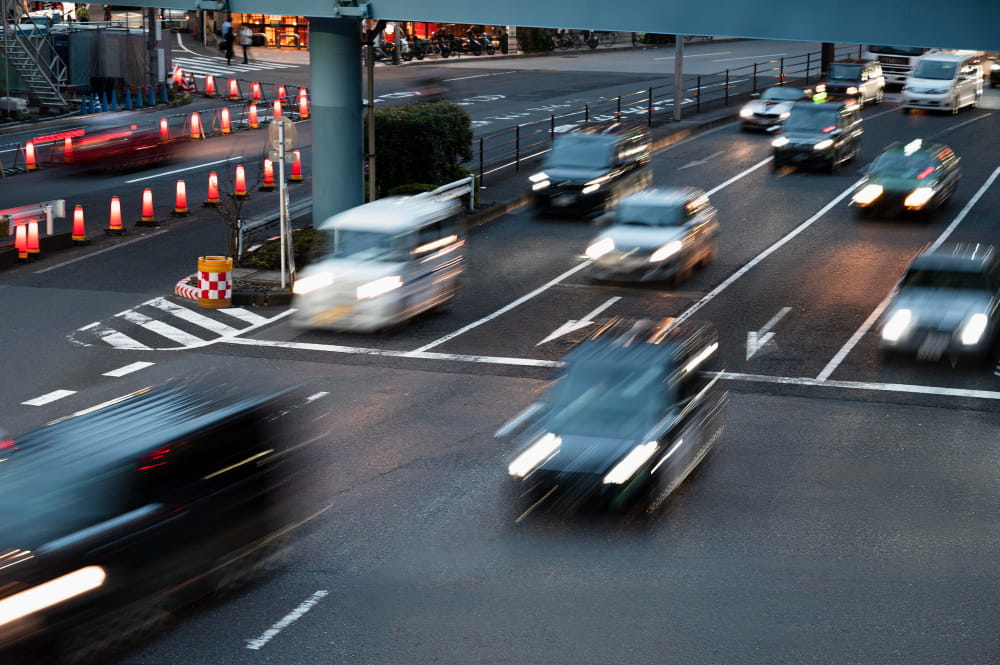
Toll users get help as well. The weekly toll cap drops from $60 to $50 for 2026-27, which means regular drivers pay less once they hit the cap. Toll administration fees have also been scrapped, saving at least $10 per notice. For a student who drives across tolled roads to reach work or study, these changes add up to real money each month.
Sydney has one of the most tolled road networks in the country, so these measures carry weight. A student living in the west or southwest who drives to a city campus or job can face heavy toll costs. The lower cap and scrapped fees ease that burden directly.
Registration relief is automatic for most drivers, applied when the rego is renewed within the 12-month window. There is no separate form to fill out, which makes it one of the simplest savings a student driver can claim this year.
Electricity Bill Support
Power bills are a shared pain point for students, especially those in share houses splitting the cost. Energy relief has shifted in 2026, so it helps to know exactly what still applies.
The federal Energy Bill Relief Fund, which gave households automatic credits on their power bills, wound down at the end of 2025 after a final round of $150 in rebates. That national credit is no longer flowing in 2026, so students should not count on it going forward.

State support continues, though. In New South Wales, eligible students may still access rebates through Service NSW energy programs, such as the Low Income Household Rebate and the Family Energy Rebate. These are worth checking, since they apply to concession card holders and certain low-income households. A quick eligibility check through Service NSW is the smart first step.
Students in share houses can still trim power costs in practical ways. Choosing an energy plan with a lower rate, running heavy appliances during off-peak hours, and splitting bills fairly all reduce the monthly hit. Comparison tools on the Service NSW and energy.gov.au sites help households find a cheaper deal.
For students who receive an electricity bill in their own name, recording any concession card with the provider is important. Some rebates apply automatically once the card is on file, so a five-minute call can lock in savings for the rest of the year.
A Higher National Minimum Wage
Most international and domestic students work part-time while they study. A higher minimum wage means every shift pays more, which makes a real difference to a tight budget.
The Fair Work Commission raised the National Minimum Wage by 6% from 1 July 2026. That decision pushed the minimum wage above $1,000 per week for the first time, as confirmed by the Australian Government’s announcement of the wage review. The rise also applies to award wages that cover most casual and part-time jobs.

Students in retail, hospitality, and other award-covered roles get an automatic pay bump. Casual workers, who make up a large share of student jobs, receive the increase plus their casual loading on top. For a student picking up 15 to 20 hours a week, the higher rate can mean a noticeable lift in monthly income.
International students should know their rights here. Australian workplace laws protect every worker, regardless of visa status. A student paid below the legal minimum can report it to the Fair Work Ombudsman without fear of trouble.
Superannuation adds another layer of value. Employers now contribute 12% of a worker’s pay into a super fund, up from earlier years. For students who stay and work in Australia, that money builds up over time and belongs to them.
Lower Personal Income Tax
Earning more only helps if students keep more of it. On that front, 2026 brings a welcome change to income tax that puts extra cash in every worker’s pocket.
From 1 July 2026, the tax rate on income between $18,201 and $45,000 dropped from 16% to 15%. The change is legislated and applies to every Australian taxpayer, as detailed by the Australian Taxation Office. It delivers a saving of up to $268 per year compared to the previous settings.

Most student jobs fall squarely in this income band, so students feel the benefit directly. A part-time worker earning in the $20,000 to $40,000 range keeps more of every dollar. A further cut, from 15% to 14%, is already locked in for 1 July 2027, so the savings grow again next year.
Combined with the higher minimum wage, this tax cut means students both earn more and keep more. That double benefit is exactly the kind of relief a stretched student budget needs.
The tax cut applies automatically through the pay system, so students do not need to do anything to receive it. Employers use updated tax tables, which means the smaller deduction shows up in each pay packet from July 2026 onward.
Other Everyday Savings for Students
Beyond the headline measures, students in Australia have access to reliable savings that trim daily costs. These are easy to overlook but add up across a full year of study.
Student concession cards cut the price of public transport, and many also open up discounts at shops, cinemas, gyms, and events. Carrying a valid student ID and asking about discounts is a simple habit that pays off.

Universities and colleges also run their own support. Free campus events, subsidized meals, hardship funds, and low-cost health services all ease the financial load. Most institutions provide these quietly, so it pays for students to ask what is available.
Grocery and housing choices matter too. Sharing accommodation, cooking at home, and buying in bulk remain the biggest levers a student controls. The government measures help at the edges, but smart daily choices still do the heavy lifting.
Why Sydney Remains a Great Place to Study, Work, and Live?
All of this support lands in a city that already ranks among the best in the world for students. Sydney places in the global top 10 of the QS Best Student Cities ranking, scoring highly for student mix, desirability, and employer activity.
The job market is a big part of the appeal. Sydney is Australia’s largest business hub, home to major banks, tech firms, and global companies. That means more part-time work while studying and stronger career prospects after graduation, both of which help students manage costs and build a future.
Lifestyle seals the deal. Beaches, parks, a warm climate, and a diverse, welcoming community give students a high quality of life. With frozen transport fares, lower taxes, higher wages, and strong support services, the city has become more affordable to live in than it was just a year ago.
For students weighing where to study in Australia, Sydney brings a rare mix: world-class education, real work opportunities, and a growing safety net of cost of living support. Colleges like Gateway Business College help international students settle into the city and make the most of everything it provides.
The city also connects students to industries that are hiring. Finance, technology, healthcare, and tourism all base major operations in Sydney, which gives students both part-time income during study and career options after graduation. That access to work is a form of cost of living support in itself.
Public services round out the picture. Reliable transport, quality healthcare, safe neighborhoods, and strong student support networks make daily life manageable. When the essentials are covered and getting cheaper, students can focus on what they came to Sydney for, which is their education.
Wrapping Up
Students in Australia have more financial support in 2026 than they have had in years. Public transport fares are frozen in NSW, saving regular commuters hundreds of dollars. Drivers benefit from cheaper registration, a lower toll cap, and scrapped toll fees.
Energy relief has shifted from federal credits to state rebates, so students should check what still applies through Service NSW. The National Minimum Wage rose 6% and now tops $1,000 a week, while a legislated tax cut lets workers keep up to $268 more each year.
On top of these measures, student concessions and campus support trim everyday costs even further. All of this lands in Sydney, a city that ranks among the best in the world to study, work, and live. For students planning their next step, the combination of strong support and real opportunity makes 2026 a good year to be studying in Australia.